
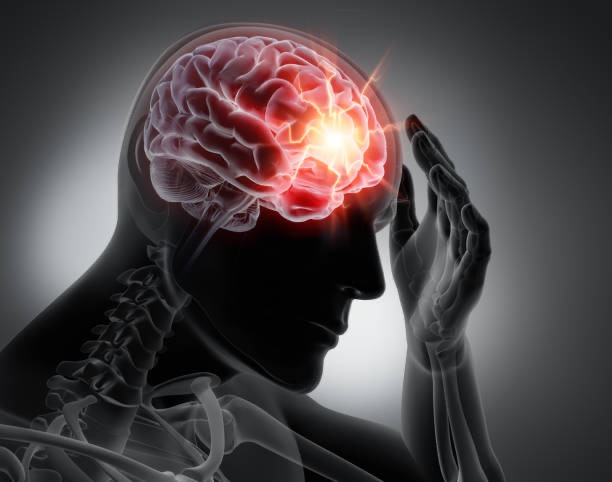
The hidden symptoms of brain injury
Our everyday challenges
When people think about brain injuries, they often imagine something obvious ... a visible disability, maybe someone in a wheelchair or with physical limitations. But the truth is, for many of us living with a brain injury, the most difficult symptoms aren’t the ones you can see. They’re the hidden struggles we face every day, silently reshaping how we live, work, and connect with others.
I'm writing this because I want people to understand what it’s really like. Every brain injury is different, and we all experience it in our own way. But what we have in common is that so many of the challenges we deal with are invisible to those around us.
Cognitive Fatigue: A Constant, Unseen Exhaustion
For some of us, cognitive fatigue is one of the hardest symptoms to manage. It’s not like being tired after a long day - it’s a deep exhaustion that can hit out of nowhere, like literally hitting a wall. Even small tasks, like listening to a conversation, making a decision, or reading an email, can be mentally draining.
One survivor described it like this: “It’s like my brain has a limited battery, and once it runs out, I can’t think clearly anymore. But people can’t see that, so they don’t always understand why I suddenly need to rest.”
Memory Problems: Living in a Fog
Memory issues are another challenge that many of us deal with. It might mean forgetting where we left our phone, struggling to remember someone’s name, or losing track of what we were doing just minutes ago.
One of us said, “Sometimes, I’ll have a whole conversation with someone and not remember it later. It makes me feel embarrassed, like I’m letting people down. But I’m not doing it on purpose, it’s just the way my brain works now.”
Unlike a broken arm or leg, memory difficulties are invisible to others, leading to misunderstandings and, at times, unfair judgments.
Emotional Dysregulation: Feeling Everything (or Nothing)
Brain injuries can affect the parts of the brain that control emotions, and for some of us that means dealing with mood swings, anxiety, or irritability. It’s not always easy to explain why we suddenly feel overwhelmed or burst into tears, and that can be tough on our relationships.
“I’ve always been a calm person,” one person shared, “but since my injury, I sometimes get angry or upset over things that wouldn’t have bothered me before. It’s frustrating because I don’t want to feel that way, but it just happens.”
Then there’s the other extreme, where we can’t cry or show what we’re feeling at all, and so we appear not to care, when really the emotion is just harder to express.
Sensory Overload: Too Much, Too Fast
Some of us have become hypersensitive to sounds, lights, and busy environments. Places that used to feel normal, like grocery stores, restaurants, or social gatherings - can now be overwhelming.
“It’s like my brain can’t filter out all the background noise,” one of us explained. “Everything just comes at me all at once, and it makes me feel anxious and confused. Sometimes, I just have to leave and find somewhere quiet to calm down.”
Executive Dysfunction: When Simple Tasks Feel Impossible
Planning, organising, and following through on tasks can be a real struggle for some of us. What used to feel automatic - like making dinner, managing a schedule, or even getting dressed in the morning - can now feel overwhelming.
“I might start something, get distracted, and then forget what I was doing,” one of us said. “It’s not that I don’t care or that I’m lazy - it’s that my brain has trouble staying on track.”
Chronic Pain and Sleep Issues: The Physical Toll
Even though brain injuries are often “invisible,” they can cause very real physical symptoms. Some of us deal with chronic headaches, dizziness, neck pain, or other discomforts that make daily life harder.
Sleep can also be a struggle. “I either can’t sleep at all, or I sleep way too much and still feel tired,” one of us shared. “Without good sleep, everything else - my mood, my focus, my energy - gets worse.”
The Mental Health Impact: Anxiety, Depression, and PTSD
For many of us, living with a brain injury also means dealing with mental health challenges like anxiety, depression, or post-traumatic stress. The injury itself can be traumatic, and the ongoing struggles with symptoms can take a toll on our mental well-being.
“There are days when I feel overwhelmed by everything I’ve lost,” one of us admitted. “But there are also days when I feel hopeful - when I remember how far I’ve come and how strong I’ve had to be.”
The Hidden Burden of Invisible Symptoms
One of the hardest parts of living with a brain injury is the lack of understanding from others. Because so many of our symptoms are invisible, people might assume we’re fine or accuse us of exaggerating.
“I’ve heard people say, ‘But you look fine!’ more times than I can count,” one survivor said. “What they don’t realise is that just because you can’t see our struggles doesn’t mean they’re not real.”
How You Can Help
If you know someone with a brain injury, here are a few ways you can make a difference:
• Be patient. Tasks that seem simple to you might be overwhelming for us.
• Listen without judgment. Sometimes, we just need someone to hear us and understand our frustration.
• Educate yourself. The more you learn about brain injury, the more supportive you can be.
• Offer practical help. Whether it’s running errands, helping with paperwork, or providing a quiet space to rest, small gestures can make a big difference.
A Journey of Resilience
Living with a brain injury changes how we move through the world, but it doesn’t stop us moving forward. We’re still here, still learning, still finding new ways to do the things that matter to us.
By sharing our stories, we hope to build a little more understanding and a lot more connection, so that survivors, families, and communities can walk this path together, with hope leading the way.